Understanding GERD: Symptoms, Causes, and Management Tips
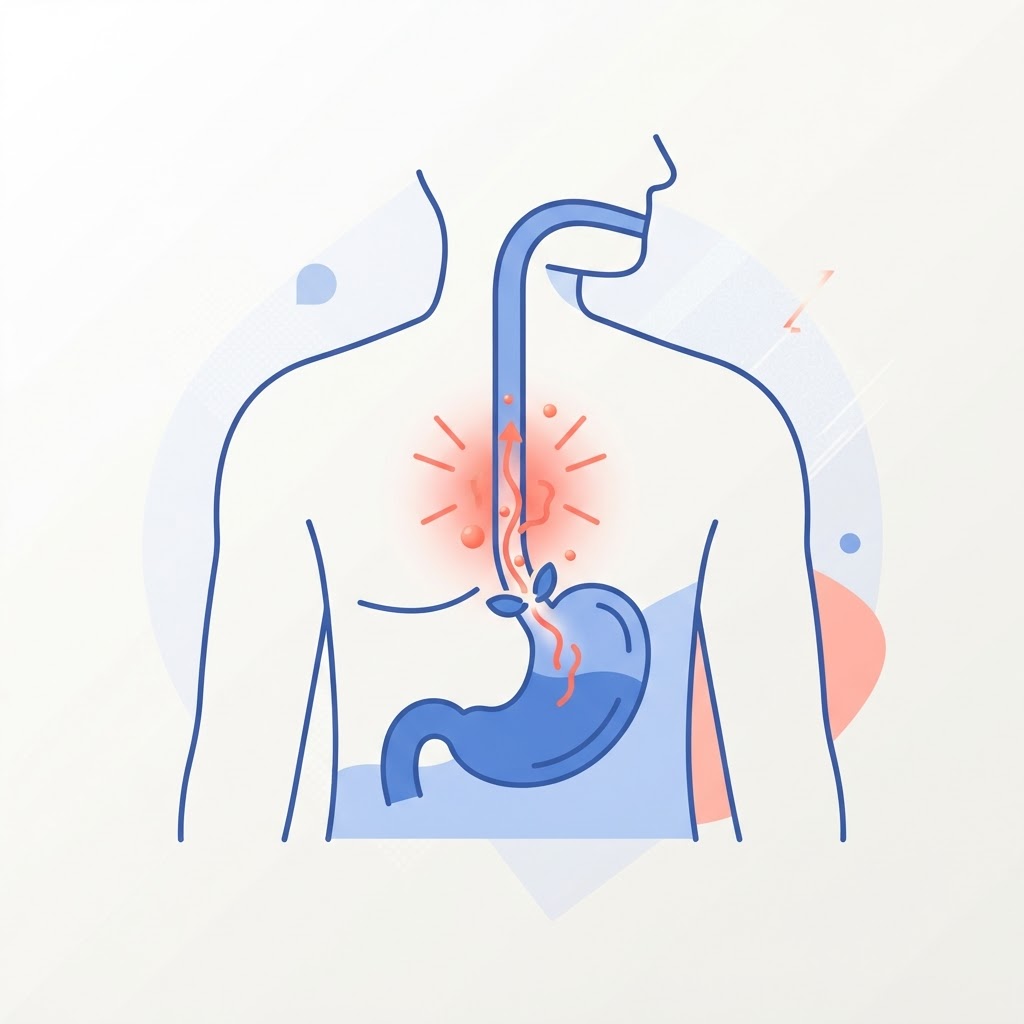
Gastroesophageal reflux disease (GERD) is a chronic condition where stomach acid frequently flows back into the esophagus, causing discomfort and potential complications. With proper management and lifestyle adjustments, many people can effectively control their symptoms.
What is GERD?
Gastroesophageal reflux disease (GERD) is a chronic digestive condition that occurs when stomach acid or bile frequently flows back into the esophagus—the tube that connects your mouth to your stomach . While many people experience occasional acid reflux or heartburn, GERD is defined as a more severe, long-lasting condition where these symptoms occur repeatedly or lead to complications over time [6].
Common Symptoms
Because GERD involves the backflow of stomach contents, it can cause a variety of uncomfortable sensations. The most common symptoms include:
- Heartburn: A burning sensation in the chest [3, 10].
- Regurgitation: The feeling of food or liquid coming back up into the throat or mouth [3, 5].
- Chest pain and difficulty swallowing [2, 3].
- Chronic cough or sore throat [2, 3].
- Globus sensation: The feeling of a lump in the throat [3, 7].
- Nausea or bloating [2, 3, 7].
Causes and Risk Factors
GERD typically occurs when the lower esophageal sphincter—a muscle valve at the bottom of the esophagus—becomes weak or relaxes when it should not [1, 3]. This allows stomach contents to travel upward . Several factors can increase your risk of developing GERD, including:
- Obesity: Excess weight puts increased pressure on the abdomen, which can force stomach acid into the esophagus [2, 3, 7].
- Pregnancy: Increased abdominal pressure during pregnancy is a common trigger [2, 3].
- Lifestyle habits: Smoking, eating large meals, or lying down immediately after eating can contribute to symptoms [3, 8, 9].
- Medical factors: Conditions like hiatal hernias, as well as certain medications (such as some painkillers or asthma drugs), may weaken the esophageal valve [1, 2, 3].
When to See a Doctor
If you experience frequent or persistent symptoms that interfere with your daily life or sleep, it is important to consult your healthcare provider [7, 9]. They can help determine if your symptoms are caused by GERD or another condition and discuss appropriate treatment options, which may include lifestyle changes, medications, or in some cases, surgical procedures like fundoplication [1, 9].
Practical Management and Lifestyle Tips
Managing GERD often involves making adjustments to your daily routine to reduce the frequency of reflux:
- Maintain a healthy weight: Weight loss can significantly reduce the pressure on your stomach [7, 8].
- Adjust eating habits: Avoid lying down immediately after meals and try to avoid late evening meals [3, 8].
- Identify triggers: Some people find that spicy foods, fatty foods, caffeine, alcohol, or chocolate can worsen their symptoms .
- Quit smoking: Smoking can weaken the esophageal sphincter, making it harder to prevent acid backflow [2, 8].
Key takeaways
- GERD is a chronic condition, not just occasional heartburn, and requires consistent management [9, 10].
- Common symptoms include persistent heartburn, regurgitation, and chest discomfort [2, 3].
- Lifestyle factors like weight management, smoking cessation, and meal timing are foundational to controlling symptoms [8, 9].
- Always consult your medical care team for a proper diagnosis and a personalized treatment plan tailored to your health needs [1, 9].
References
Sourced from major medical authorities
- 1.
- 2.
- 3.
- 4.
- 5.
- 6.
This article is for educational purposes only and is not a substitute for professional medical advice. Always consult a qualified healthcare provider for diagnosis and treatment.
Track your own health journey
Rinnit Companion helps you log symptoms, vitals, and medications — and share with your care team.
Get started